The territory of Tuscia offers to much to visit, as historic, architectural, cultural and naturalistic itineraries.
Here are some suggestions for excursions to be organized during your stay at the Casone Holiday house in Montefiascone.
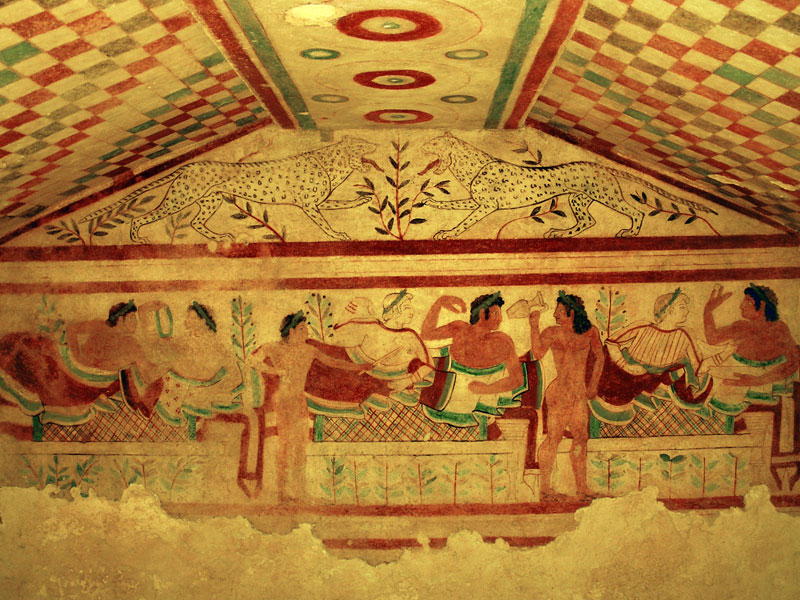
It's the ancient Tarchuna, one of the most potent etruscan town of the "Dodecapoli". Tarquinia necropolis, because of its artistic beauty, it's a unique necropolis, in fact it's one of most well preserved necropolis, with so many tombs with painted walls, incredible attestation of the art and the costumes of etruscan civilization.
Recommended itinerary
sightseeing to the most interesting tumulus tombs, like the one of the Warrior, the tomb of the Fishing and the Hunting, the tomb of the Jugglers and that one of the Shields.
Lunch break with typical dishes tasting from local gastronomy like the "ferlenghi" (a local mushroom), the artichokes and the truffles called "scorzone".
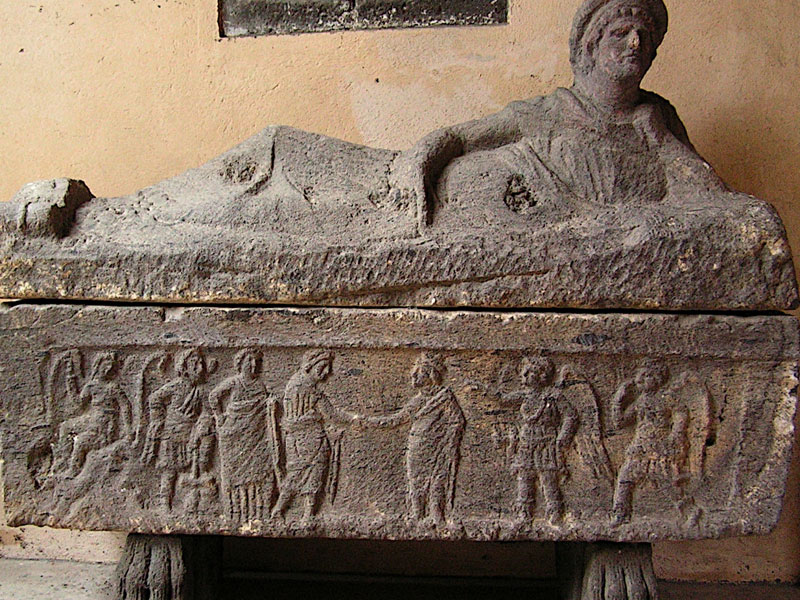
Sightseeing to the Archaeological Museum of Tarquinia with its extraordinary collection of funerary sculptures, wonderful etruscan sarcophagi, ancient paraphernalia and precious objects founded during the excavations.
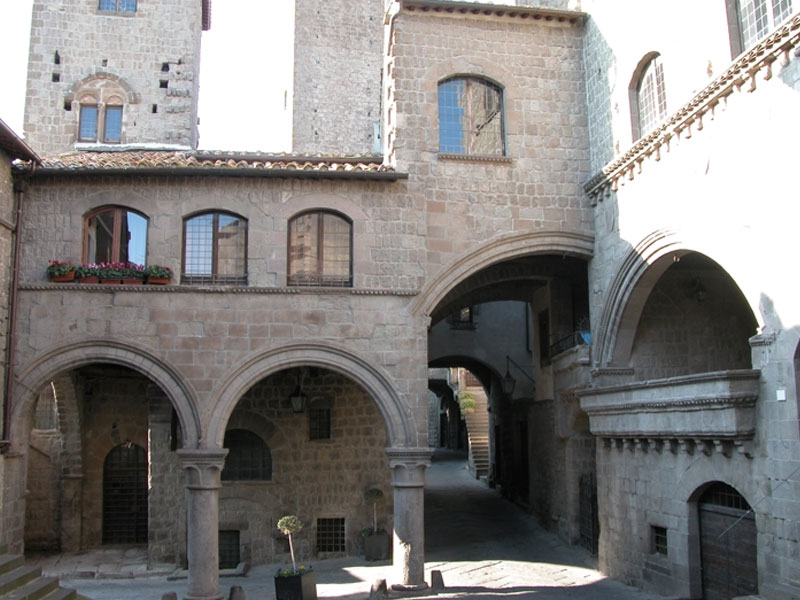
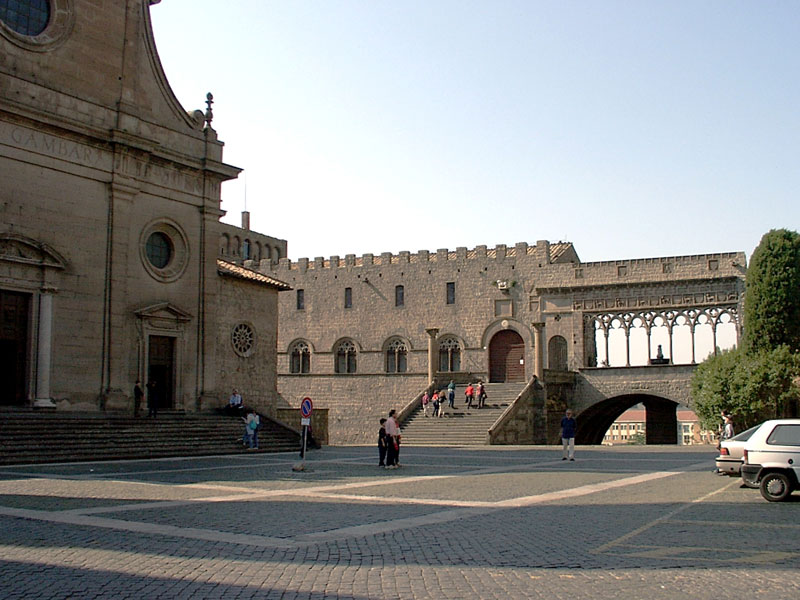
Guided excursion to the medieval quarter of "San Pellegrino" in Viterbo, to discover the most beautiful romanesque churches of the town.
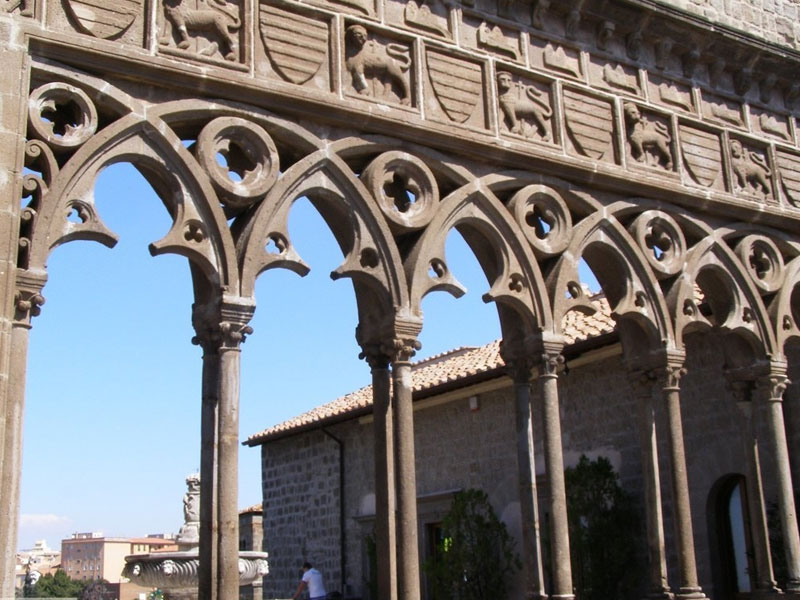
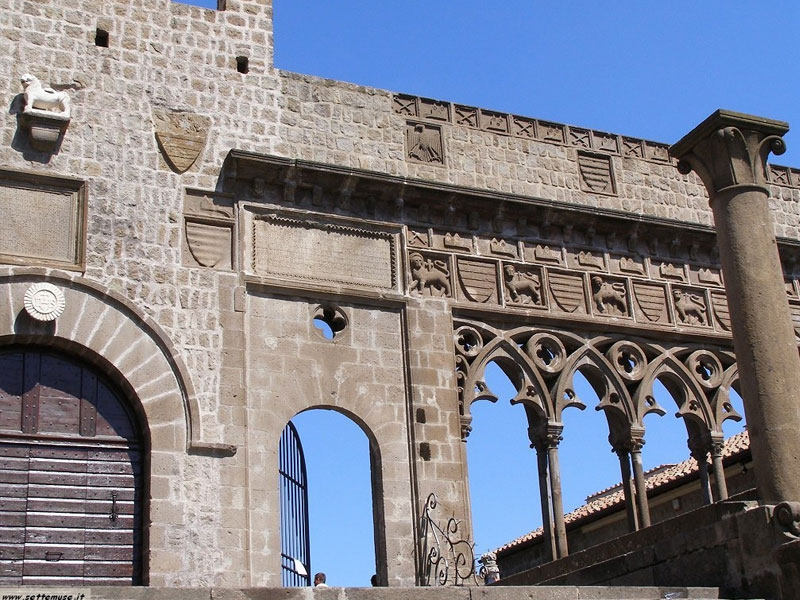
The quarter of San Pellegrino in Viterbo is one of the most beautiful and well preserved medieval place in Italy . A wonderful quarter in the heart of the town, rich in porches, little squares, towers, bridge-houses, narrow streets and fountains in an enchanted atmosphere.
Recommended itinerary
Sightseeing to the medieval quarter of San Pellegrino with its main churches and the most typical ancient houses, between arches, windows and balconies.
Lunch break with typical dishes tasting from local gastronomy, like legume soups, the "Acquacotta" (a typical potage) and cheeses.
Sightseeing to the Romanesque church of S. Sisto.
Sightseeing to the Romanesque church of S. Giovanni in Zoccoli.
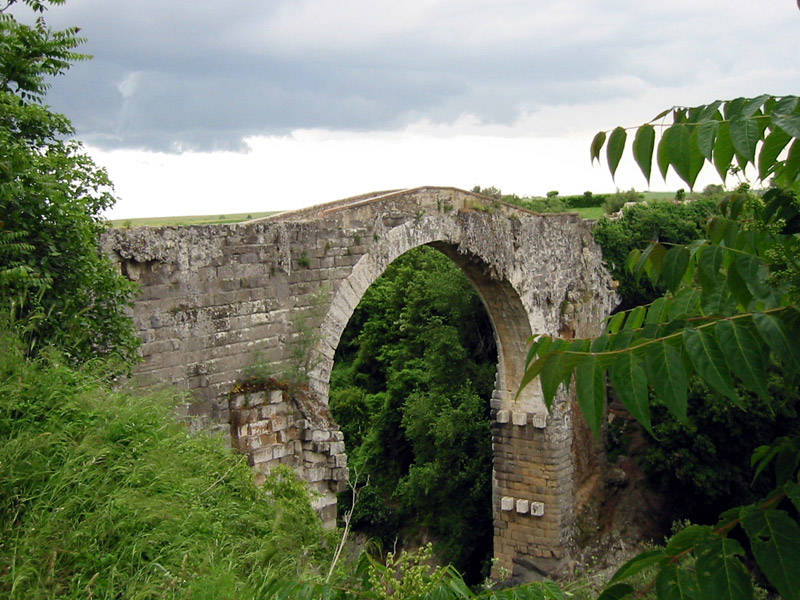
Vulci is one of the twelve big town of Etruria , and it owe its birth to the human presence that, since the Neolithic period, controlled the Fiora river valley and the surrounding hills. It's one of the rare archaeological areas where you can find the organization of an ancient urban center in its entirety: the town in the core, the necropolis around and the holy places along the urban and extra-urban streets. Here it's possible to walk a lot of naturalistic routes, such as that one that runs along the Fiora river valley until the little Pellicone lake.
Recommended itinerary
Sightseeing to the suggestive etruscan town ruins of the in the archaeological and naturalistic park; scouting of the buildings of roman-age and the big temple; sightseeing to the "domus of the crypt-porch" and to the "mitreo" .
Walk around the wood looking at the typical plants and bushes, until the gorge of the Fiora river and the wonderful Pellicone lake, with its little waterfalls .
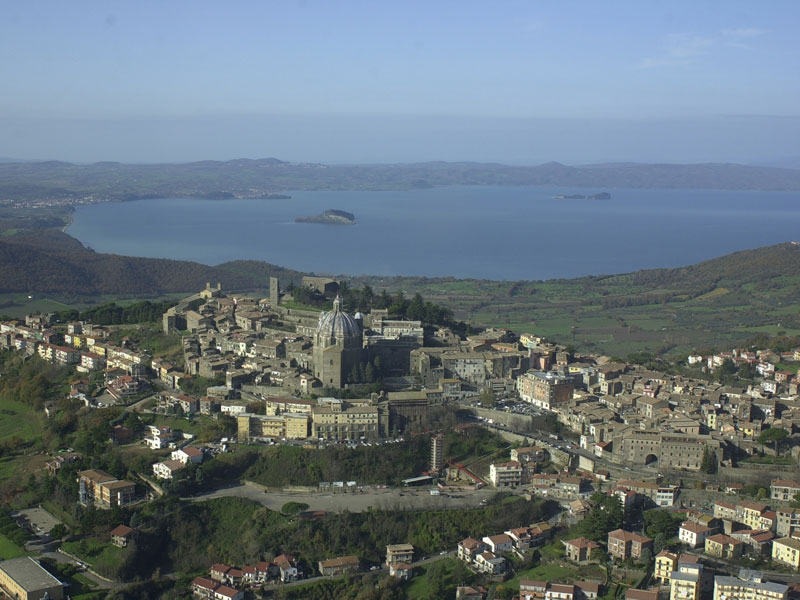
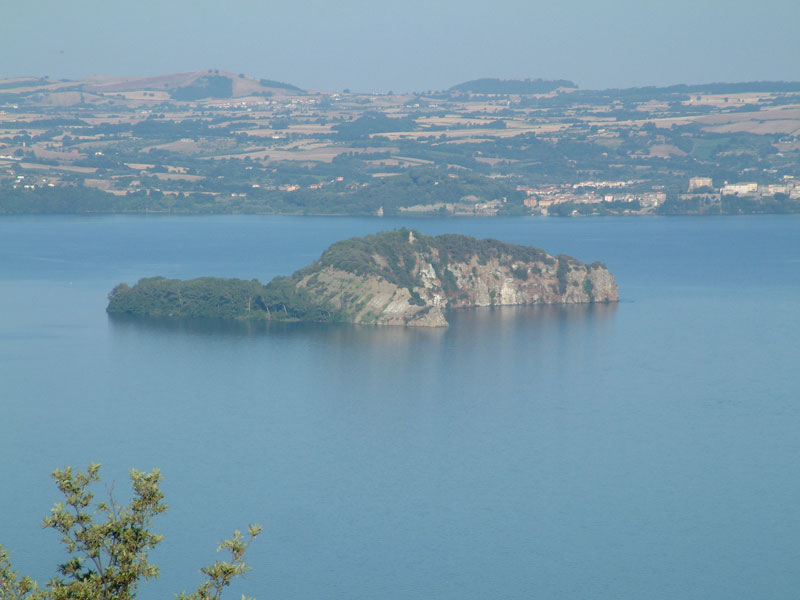
The lake of Bolsena, located in the main caldera of the volcanic group Vulsinio, is the biggest lake of volcanic origin in Europe and it has some of the most enchanting and striking landscapes of the area, that is possible to discover with a guided tour only.
Recommended itinerary
Tour by boat around the Bisentina and Martana islands, with naturalistic, historical and archaeological information about the lake and the XVI century masterpieces built on the two islands. Sightseeing to the ancient village of Capodimonte and to its wonderful Farnese Fortress.
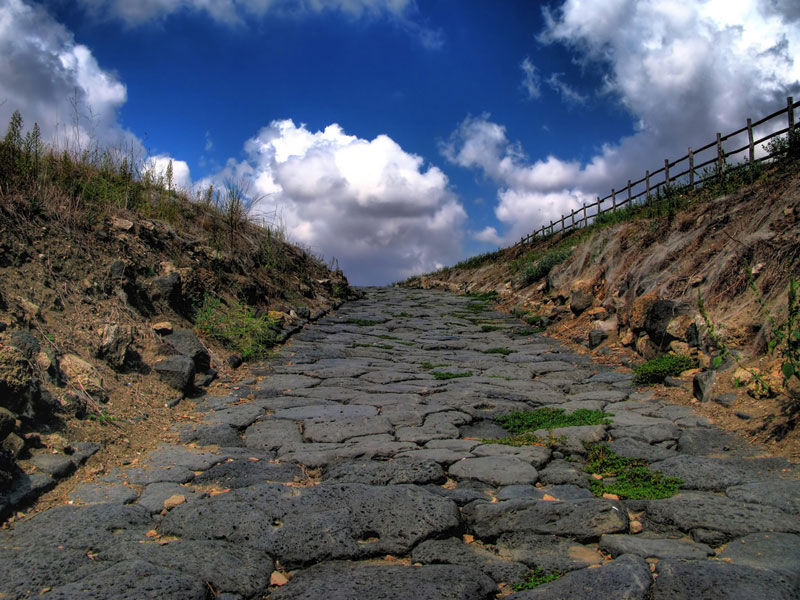
It's the ancient town of Castro , the capital of the homonym dukedom, destroyed in 1649 after the pillage of the Pope Innocenzo X Pamphili. Designed by the architect Antonio da Sangallo the Younger, it still hides under a thick vegetation the ruins of the fine town.
Recommended itinerary
Sightseeing to the ruins of the town: the mint, the taproom, the private houses, the cisterns and the cellars; sightseeing to a famous etruscan tomb; sightseeing to a suggestive roman structure used for the pigeon breeding.